Explore Sri Sunethrarama Mulamaha Viharaya
Discover the Spirit and History of Our Sacred Temple
This page serves as a detailed guide to understanding the architecture, history, and spiritual ethos of Sri Sunethrarama Mulamaha Viharaya. Here, visitors can delve into the temple’s storied past, admire its ancient craftsmanship, and appreciate the deep cultural significance that has been lovingly maintained through generations.
Historical Heritage and Architectural Brilliance
Explore comprehensive narratives that trace the temple’s origins from its establishment centuries ago to its evolution into a modern pilgrimage destination. Detailed stories highlight:
The Founding Era: Insights into the temple’s inception, the founders, and the significant religious figures who shaped its destiny.
Architectural Marvels: A walkthrough of the temple’s design—from intricate frescoes and stone carvings to the symbolic layout of meditation halls and prayer rooms.
Restoration and Preservation: Learn about recent initiatives to preserve ancient manuscripts, restore damaged frescoes, and maintain the sanctuary’s original splendor while integrating modern amenities.
Spiritual and Cultural Significance
Understand how the temple serves as a living hub for Buddhist teachings, meditation practices, and community gatherings:
Teaching and Learning: Detailed descriptions of scheduled meditation sessions, Dhamma talks by esteemed monks, and educational programs that provide spiritual guidance to all ages.
Cultural Festivals: A window into the temple’s role in local festivals and ceremonies that blend traditional practices with modern expressions of devotion.
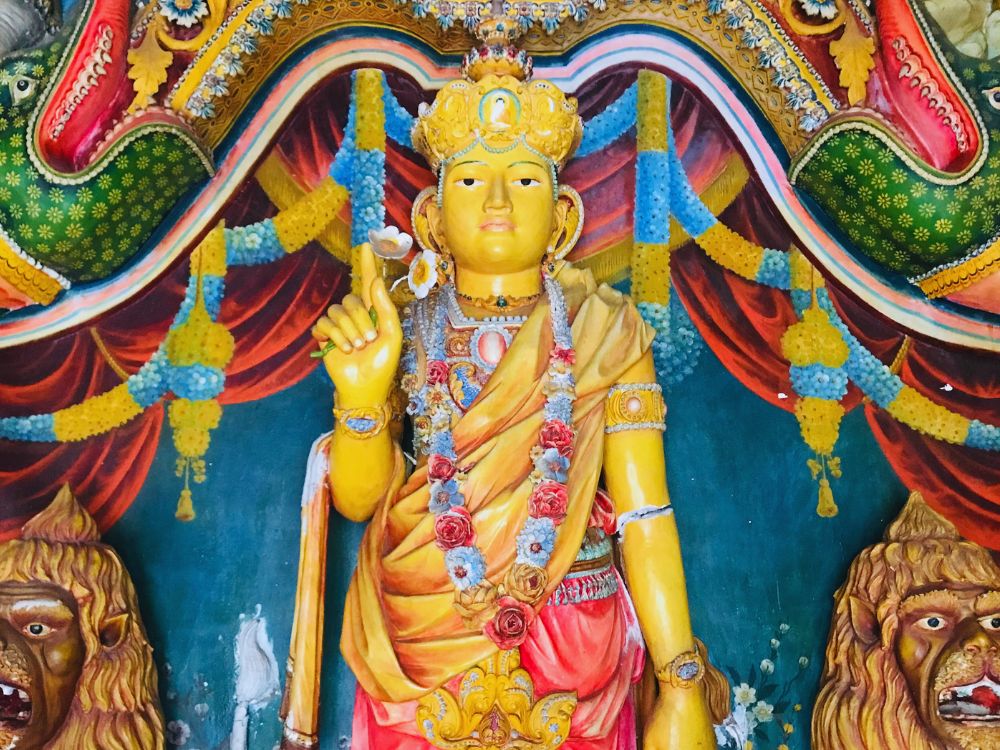
Art and Symbolism: Explore the deep symbolism expressed in every carving, sculpture, and artifact, which together tell the story of Buddhist philosophy and the path to enlightenment.
Interactive Features for Visitors:
Virtual Walkthrough: Navigate through high-quality images and interactive maps that pinpoint important areas of the temple complex.
Audio-Visual Stories: Engage with narrated video tours and interviews with temple custodians who share personal insights about the temple’s impact on their lives.
Temple History – Sri Sunethrarama Mulamaha Viharaya, Kadawatha
A Legacy of Spiritual Enlightenment and Cultural Heritage
Sri Sunethrarama Mulamaha Viharaya, located in the heart of Kadawatha, Sri Lanka, stands as a sacred monument that has nurtured the spiritual lives of generations. With deep roots in Sri Lanka’s Theravāda Buddhist tradition, the temple has grown from a humble shrine into a revered religious and cultural sanctuary, shaping and serving its surrounding community for decades.
The origins of Sri Sunethrarama Viharaya can be traced back to the early 20th century, during a period of Buddhist revival in Sri Lanka. It was established by devoted monks and lay practitioners who recognized the need for a spiritual center in the growing town of Kadawatha. The temple’s founding was inspired by the teachings of the Buddha and named in honor of Sunethra Devi, a historical figure revered for her patronage of Buddhist causes.
Built initially as a small temple with a modest shrine room and Bodhi tree, the site quickly attracted a devoted following. Its strategic location along the Colombo–Kandy route made it accessible to pilgrims and travelers alike, and the temple began to serve not only as a place of worship but also as a haven for meditation, learning, and reflection.
Growth and Expansion
Over the decades, Sri Sunethrarama Viharaya expanded both physically and spiritually. Generations of resident monks and community leaders led efforts to construct additional sacred buildings, including:
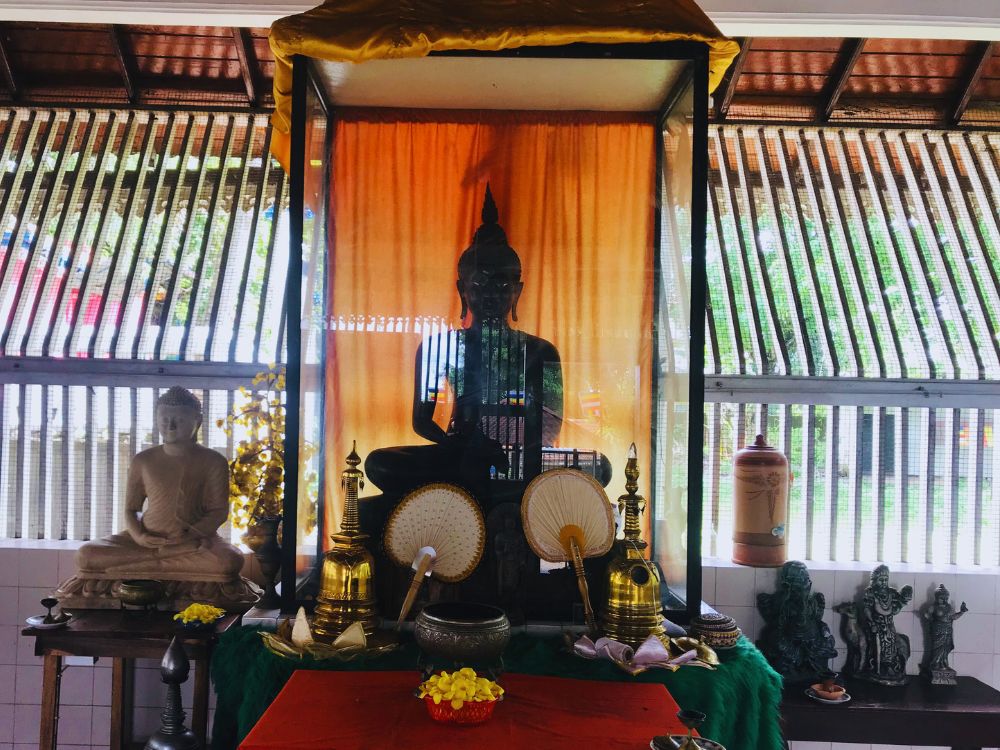
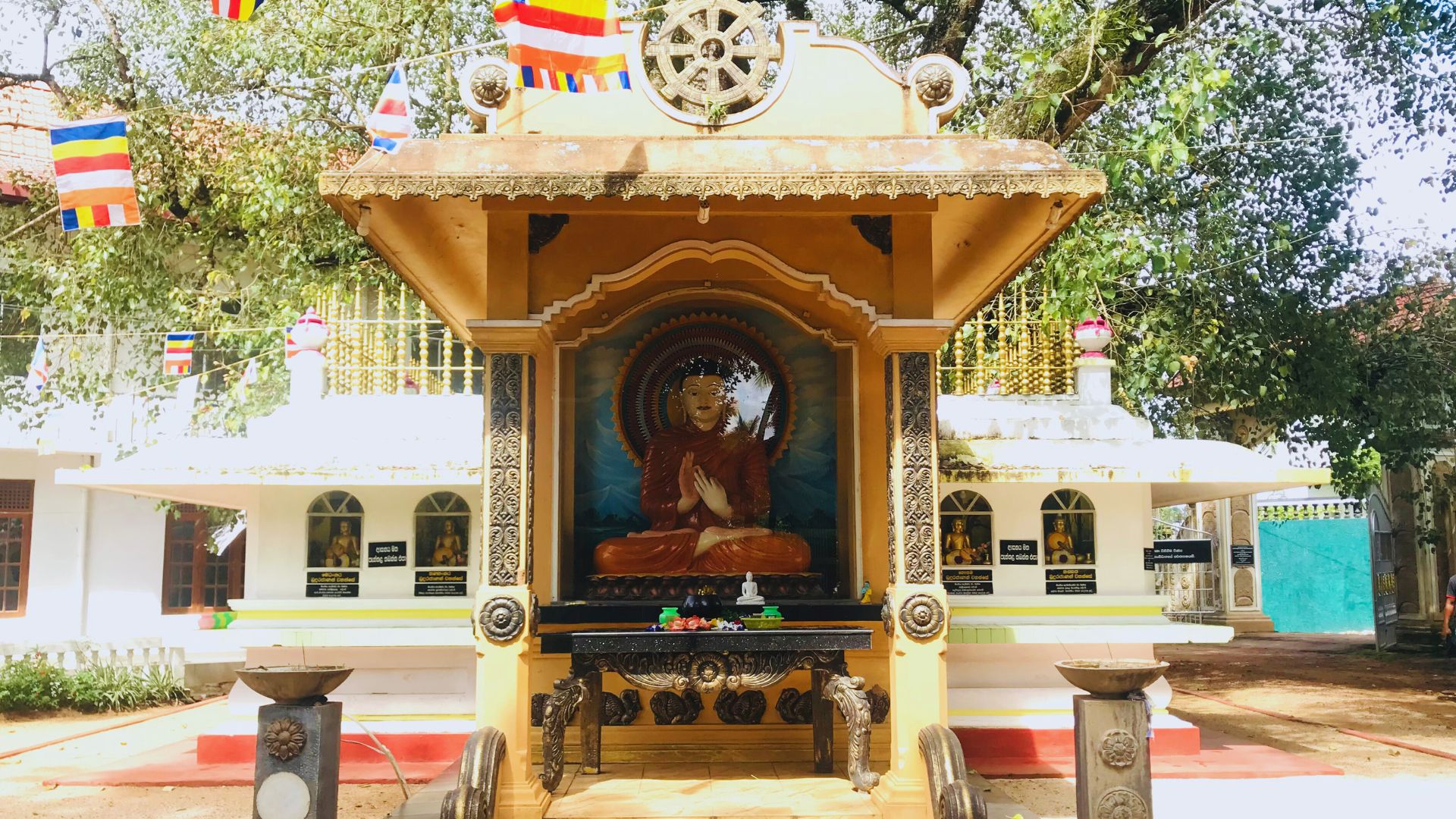
A large image house housing statues of the Buddha in various postures.
A Dhamma school for children to learn the core principles of Buddhism.
A stupa (dagoba) that became a spiritual centerpiece of the premises.
A serene meditation hall where practitioners could engage in mindfulness and insight meditation.
These additions were made possible through the generous support of devotees and philanthropists, who considered it their duty and honor to preserve and develop this sacred place.